



🏠 家园
播种希望
帮助每个家庭拥有一个可称之为家的住所——由我们的免税非营利机构 OseloHelp.com 提供资金支持。
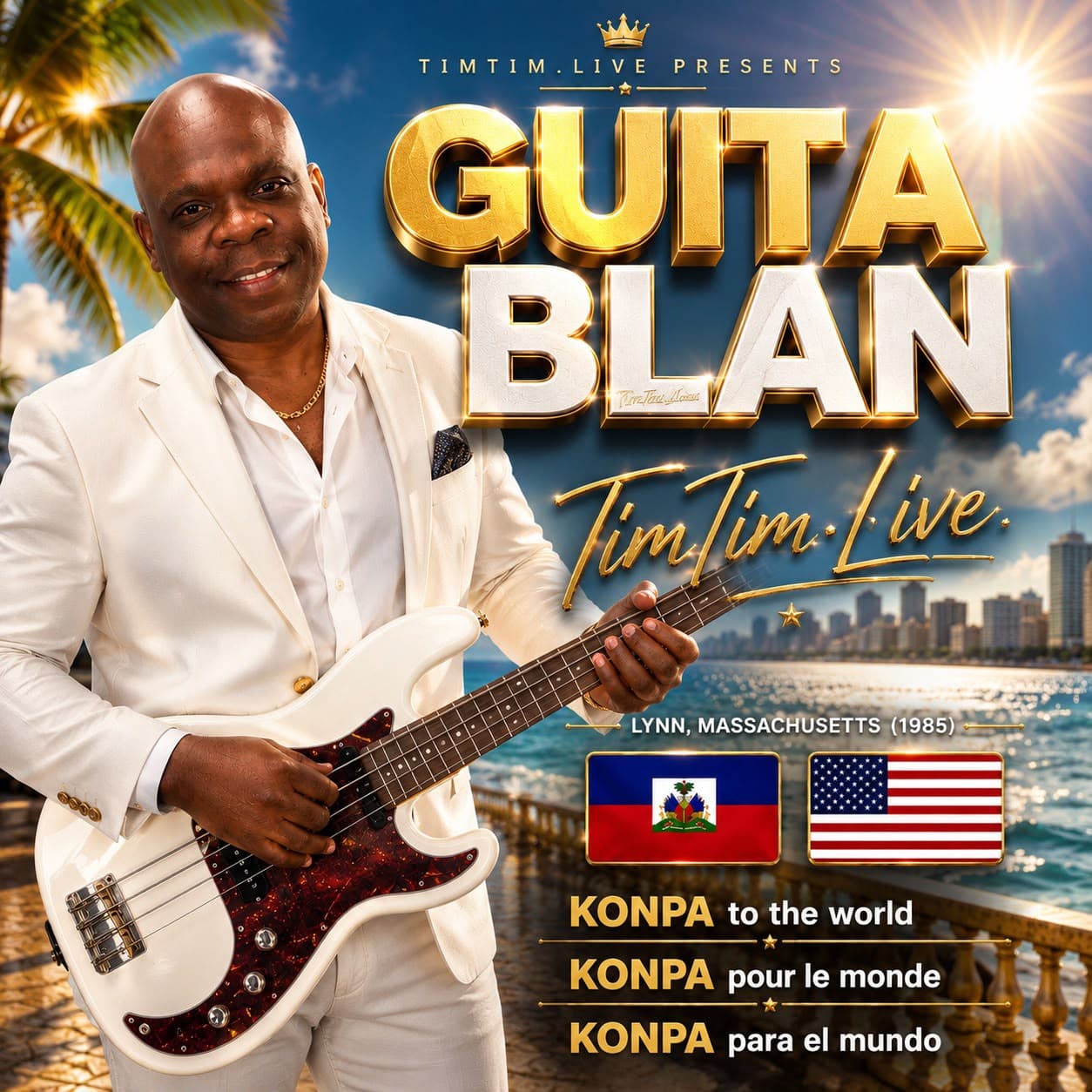
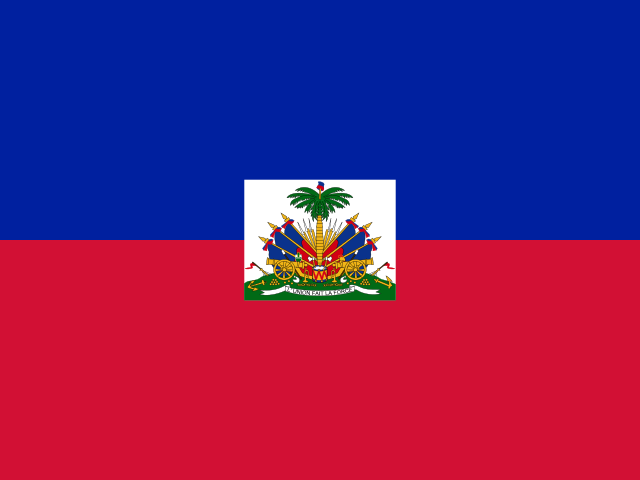
The birthplace of Konpa
Haiti is a Caribbean nation and the birthplace of Konpa, its smooth national dance music. It is the world’s first Black-led republic (independent since 1804), and its culture lives loudest through rhythm, food, and celebration. TimTim.Live was born here, in Les Cayes.
Help represent Haiti →Haiti shares the island of Hispaniola with the Dominican Republic. In 1804, after a thirteen-year revolution, it became the first nation born from a successful revolt of enslaved people — and the first independent country in Latin America and the Caribbean.
That spirit of freedom runs through everything Haitian, especially the music. From ceremonial drumming to modern Konpa, Haitian sound has always been a way to remember where you come from and celebrate that you’re still here.
The Haitian Revolution begins — the largest and most successful uprising of enslaved people in history.
Haiti declares independence on January 1st, becoming the world's first Black-led republic.
Saxophonist Nemours Jean-Baptiste creates Konpa, the dance music that becomes Haiti's national sound.
Haiti marks 200 years of independence — bicentennial celebrations nationwide.
During French colonial rule, enslaved Haitians were forbidden from tasting the rich pumpkin soup they cooked for their enslavers. When independence was declared on January 1, 1804, the very first thing free Haitians did was make soup joumou for themselves. Today, every Haitian household — at home or across the diaspora — shares a bowl of it every New Year's Day, a taste of freedom passed down for over two centuries.
Ask any Haitian grandparent about Bouki and Malis and you'll get a smile before the story even starts. Bouki, the good-hearted but gullible one, and Malis, the clever trickster, star in dozens of Haitian folktales told at evening gatherings — usually kicked off with the call-and-response “Krik? Krak!” These stories, rooted in West African oral tradition, still open with a joke and close with a lesson.
The call-and-response that opens every Haitian storytelling session.
Neighbors working a family's field together, powered by drumming and song.
The extended family compound — the center of rural Haitian life.
Dressing up and gathering as family after church.
Music is the heartbeat of Haiti. Konpa — created in 1955 by saxophonist Nemours Jean-Baptiste — is the smooth, mid-tempo dance music you’ll hear at every celebration. Around it live a whole family of styles, from acoustic troubadour songs to the trance rhythms of Rara.
The national dance music — smooth, steady, made for dancing close.
Acoustic, storytelling songs led by guitar and accordion.
“Roots music” blending Vodou ceremonial rhythms with rock.
Processional street music played during Lent.
The older Haitian style Konpa grew out of.
Close, smooth partner dancing — small steps, hips leading the rhythm.
A ceremonial, wave-like dance rooted in Vodou tradition.
A playful, hip-driven dance from the Gede spirits' celebrations.
A processional street dance following the band through town.
Hand drums at the center of Rara and ceremony.
Heart of twoubadou and early Konpa.
The signature lead of Nemours-era Konpa.
Bamboo trumpets that drive Rara bands.
A metal scraper that keeps the groove.
Maracas / shakers.
Haitians speak Haitian Creole (Kreyòl) and French. Kreyòl is the everyday language of nearly everyone in Haiti and is the language most TimTim.Live songs are sung in.
| Phrase | Meaning |
|---|---|
| Bonjou | Good morning / hello |
| Bonswa | Good evening |
| Koman ou ye? | How are you? |
| N ap boule | We’re doing well (casual) |
| Mèsi | Thank you |
| Orevwa | Goodbye |
Freedom soup, eaten every Jan 1 — UNESCO cultural heritage.
Rice and beans, the everyday staple.
Marinated, fried pork — a party favorite.
Spicy pickled slaw that goes with everything.
Twice-fried plantains.
Crispy malanga fritters.
The New Year's Day "freedom soup" — hearty, golden, and shared with family every January 1st.
Ingredients
Steps
🍺 Drink traditions
Haiti's drink traditions run from Barbancourt rum — aged in the same French oak tradition as fine cognac — to Prestige, the national lager enjoyed at every celebration. A toast is rarely quiet: expect a call of “Sante!” (health/cheers) before the first sip, and rum poured on the ground first for the ancestors at Vodou ceremonies.
See how TimTim.Live carries that spirit into 888 Lucky Beer →Mountaintop fortress and UNESCO World Heritage site.
Royal ruins near Milot in the north.
Turquoise waterfall pools near Jacmel.
Peaceful island off the southern coast, near Les Cayes.
Beaches along the northern coast.
Carnival — the biggest party of the year, famous in Jacmel.
Street bands that fill the roads through Lent.
The Port-au-Prince International Jazz Festival.
Independence Day, Jan 1 — served with soup joumou.
The capital and heartbeat of Haitian music.
TimTim.Live’s hometown on the southern coast.
Historic northern city by the sea.
Haiti’s arts and carnival town.
Where independence was declared in 1804.
Known as the “city of poets.”
Choose a place, add a personal dedication, and send “Gita Blan” to one person who'd love it — free, always. It could be the start of a friendship.
Performances and behind the scenes.
✅ TimTim.Live has performed in Haiti
Festivals, cultural celebrations, corporate events, and universities — request a Konpa show in Haiti and the booking team will follow up with availability.
See the full press kit & tour info →Translation changes words. Localization makes people feel that the movement understands them.
Read them in the Stories section above.
Haiti’s ambassadors help share Konpa with their cities and welcome new friends into the family.
Become Haiti's Founding Explorer →Pick your language on the song page — every song is offered as a gift in the language you choose.
Haiti's own mission artwork is coming soon — every country gets one.
1 Founding Explorer from Haiti so far.
Get new Haiti songs, stories, and events first — straight to your inbox.
Haiti’s ambassadors help share Konpa with their cities and welcome new friends into the family.
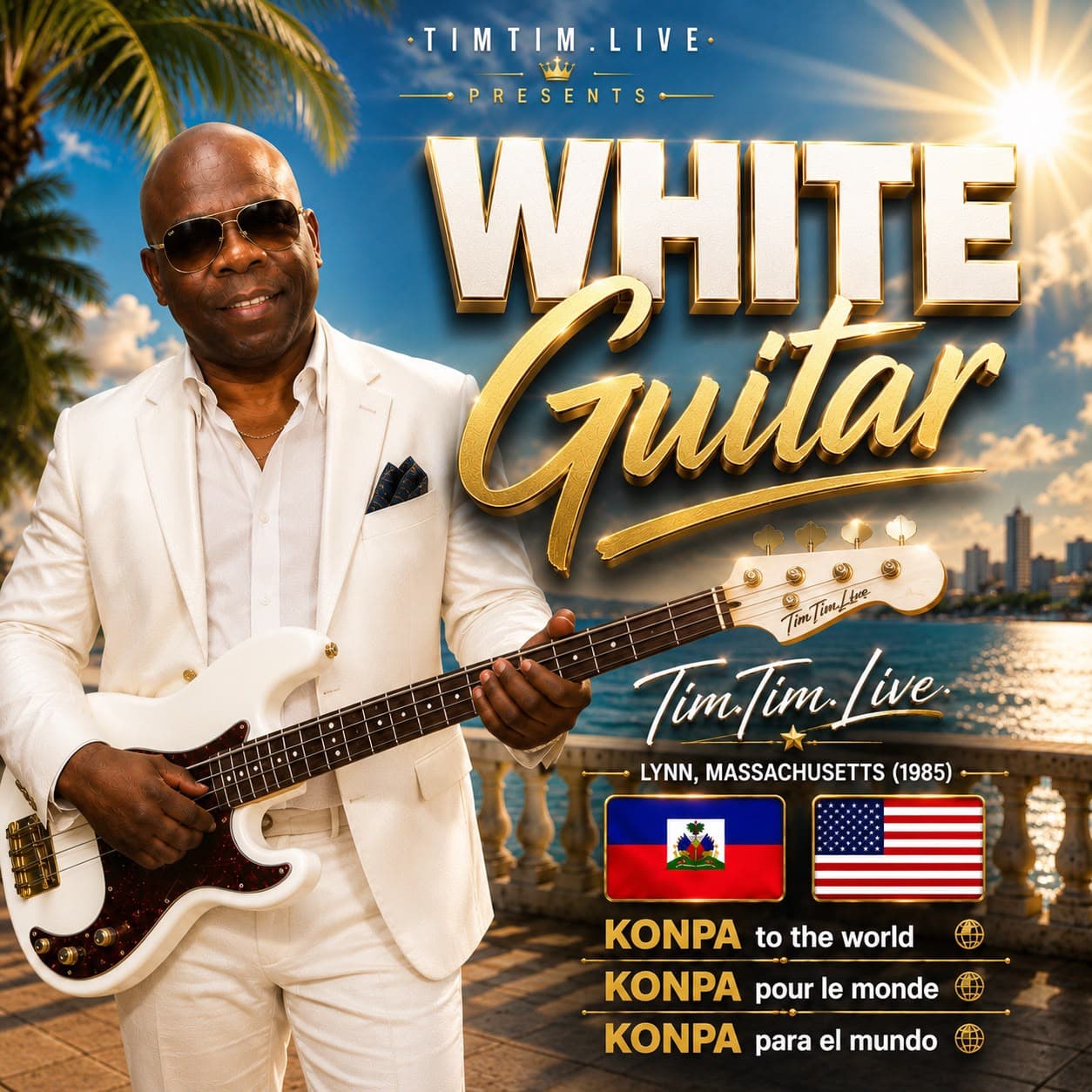
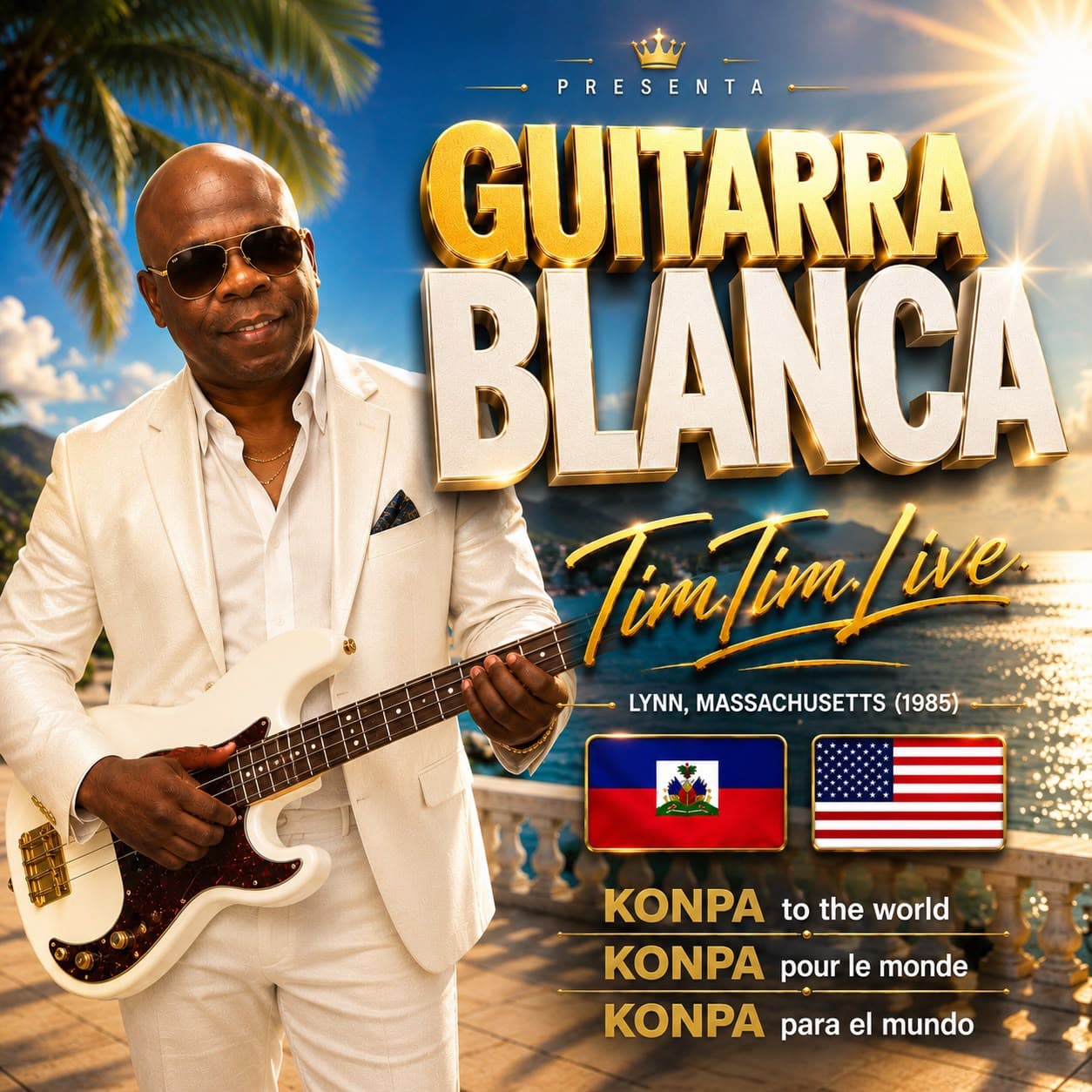
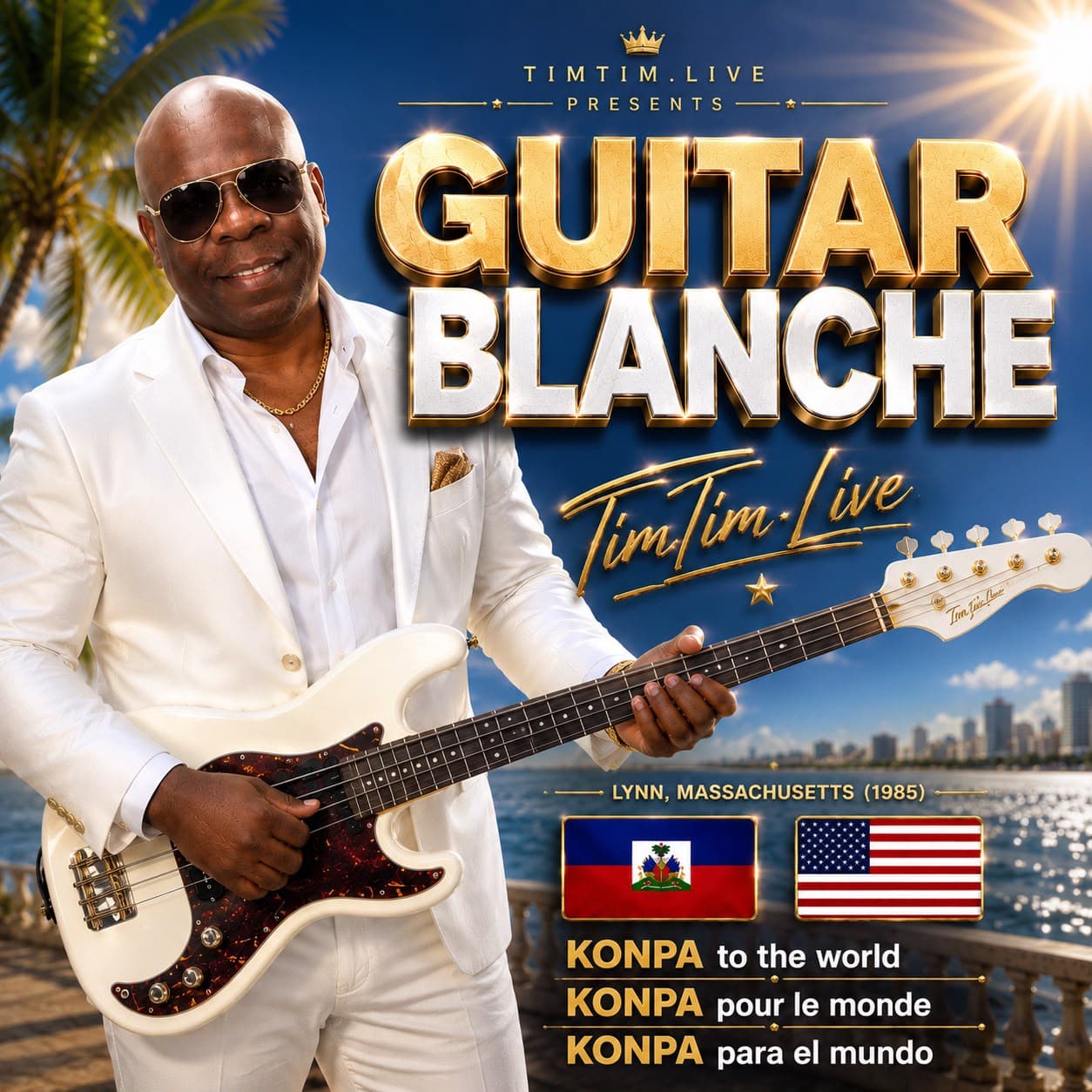
The Friend Loop
Choose a country · Hear a song · Learn one tradition · Say hello. Do it again tomorrow.
Hear a song
Smile
Learn about a country
Say hello
Make a friend
Share another song
Konpa (also spelled Kompa) — Haiti’s smooth, joyful national dance music, created in 1955 by Nemours Jean-Baptiste.
Haitian Creole (Kreyòl) and French. Most TimTim.Live songs are sung in Kreyòl.
In 1804 Haiti became the first Black-led republic and the first independent nation in Latin America and the Caribbean, born from a successful revolution of enslaved people.
A pumpkin/squash “freedom soup” eaten every January 1st to celebrate independence. It’s recognized by UNESCO as intangible cultural heritage.
TimTim.Live was born in Les Cayes, a city on Haiti’s southern coast.
我们的使命
我们邀请每个人共同为人类留下传承。
加入三项将比我们更长久的使命
播种希望
帮助每个家庭拥有一个可称之为家的住所——由我们的免税非营利机构 OseloHelp.com 提供资金支持。

通过音乐保存人类遗产
将人类的音乐与故事保存逾千年。
一个简单的帮助方式
如果这个目录对你有帮助,请帮助保存这份遗产 — 分享 TimTim.Live。一次对话即可让千年的记忆延续。

激励下一代探索者
让每个人都有探索太空的机会。
它们如何相互连接
这里没有独立的业务——每个环节都增强下一个环节。
一个使命,多项相互强化的业务。
无论你是聆听一首歌、分享一个故事、穿戴周边、参加演出、翻译歌词、推荐一个国家,还是只是告诉朋友——你都成为了一个为世代传承而打造事业的一部分。
人人皆可参与。没有任何贡献太微小。
TimTim.Live — 用音乐探索世界。
连接全球 195 个国家的人们——并正走向 245 种地方语言与世界各地 460 万座城市、城镇与村庄。
TimTim.Live 已收录全部 195 个国家的 233,857 个地点,覆盖小至 1,000 人的社区,其中包括:
257 个州 • 1,690 个省 • 4,822 个县 • 41,130 个区 • 13,471 座城市 • 117,896 个城镇 • 41,003 个村庄
© 2026 TimTim.Live. 版权所有。