

🏠 Ilé
Kọ́ Ìrètí
Ṣèrànwọ́ kí gbogbo ìdílé ní ibi tí wọ́n lè pè ní ilé — nípasẹ̀ OseloHelp.com, ilé-iṣẹ́ àánú wa tí kò san owó-orí.
Pínpín orin káàkiri àgbáyé: ó ń bọ̀ láìpẹ́!
3,004,605+ Ojú-ìwé Olórin · 8,684,002+ Ojú-ìwé Ilé-iṣẹ́ · Wà ní 417+ Èdè
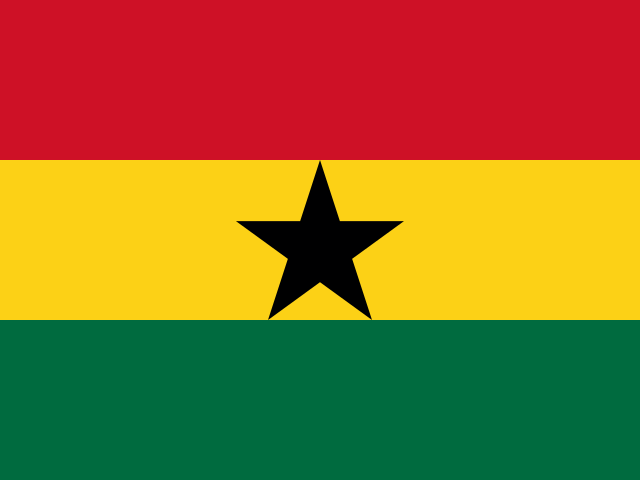
Ghana's century-old dance band sound
Highlife is a West African dance music that took shape in Ghana in the early twentieth century, joining Akan melodic and rhythmic traditions to Western dance-band instruments. It became one of the foundational popular musics of the region and shaped much of what followed.
Highlife developed in coastal Ghana in the early 1900s, as brass-band and dance-band instrumentation met local Akan musical traditions.
It spread to Nigeria and across West Africa through the mid-century, and its guitar styles and horn arrangements run underneath a great deal of later West African popular music, Afrobeats included.
Ghanaian bandleader often called the king of highlife, central to its dance-band era.
Highlife is a West African dance music that began in Ghana in the early twentieth century, combining Akan musical traditions with Western dance-band instruments.
In coastal Ghana, spreading from there to Nigeria and across West Africa.
It dates to the early 1900s, which makes it one of the oldest continuously played popular music genres in West Africa.
Èrò Wa
A pe gbogbo ènìyàn láti ṣèrànwọ́ fi ogún sílẹ̀ fún ọmọ ènìyàn.
Darapọ̀ Mọ́ Iṣẹ́ Àfojúsùn Mẹ́ta Tí Yóò Pẹ́ Jù Wá Lọ
Kọ́ Ìrètí
Ṣèrànwọ́ kí gbogbo ìdílé ní ibi tí wọ́n lè pè ní ilé — nípasẹ̀ OseloHelp.com, ilé-iṣẹ́ àánú wa tí kò san owó-orí.

Pa Ọmọ Ènìyàn Mọ́ Nípasẹ̀ Orin
Pa orin àti ìtàn ọmọ ènìyàn mọ́ fún ọdún 1,000+ tó ń bọ̀.

Fún Ìran Olùṣàwárí Tó Ń Bọ̀ Ní Ìwúrí
Jẹ́ kí àǹfààní láti ṣàwárí òfurufú wà fún gbogbo ènìyàn.

Àpẹẹrẹ ọkọ̀ òfuurufú tí ó ń gòkè láti orí ojú-ọ̀nà dípò kí wọ́n fi rọ́kẹ́ẹ̀tì gbé e sókè. Èrò ni, kì í ṣe ọkọ̀ tí a ti parí.
Wo bí ó ṣe ń ṣiṣẹ́Bí gbogbo rẹ̀ ṣe so pọ̀
Kò sí nǹkan kan níbí tó jẹ́ iṣẹ́ òwò lọ́tọ̀ — ìpele kọ̀ọ̀kan ń fún èyí tó tẹ̀lé e lágbára.
Èrò kan. Ọ̀pọ̀ iṣẹ́ òwò tí ń ran ara wọn lọ́wọ́.
Yálà o gbọ́ orin kan, pín ìtàn kan, wọ aṣọ wa, lọ sí eré orin, túmọ̀ ọ̀rọ̀ orin, dámọ̀ràn orílẹ̀-èdè kan, tàbí sọ fún ọ̀rẹ́ kan lásán — o di apá kan nínú ohun tí a ṣe láti wà fún ìran-ìran.
Gbogbo ènìyàn lè kópa. Kò sí ìrànlọ́wọ́ tó kéré jù.
TimTim.Live — Ṣàwárí Ayé Nípasẹ̀ Orin.
A ń so àwọn ènìyàn pọ̀ ní orílẹ̀-èdè 195, pẹ̀lú ojú-ìwé olórin 3,004,605+ báyìí tí ń pọ̀ sí i títí dé mílíọ̀nù 4+ · ojú-ìwé ilé-iṣẹ́ 8,684,002+ tí ń pọ̀ sí i títí dé mílíọ̀nù 400 · a ó túmọ̀ ojúlé yìí sí èdè ìbílẹ̀ 417 káàkiri ayé.
TimTim.Live ti ya máàpù ibi 233,839 ní gbogbo orílẹ̀-èdè 195, ó sì dé àwọn àwùjọ tí iye ènìyàn wọn kéré tó 1,000, pẹ̀lú:
ìpínlẹ̀ 257 • agbègbè 1,690 • káúntì 4,808 • ẹkùn 41,130 • ìlú ńlá 13,471 • ìlú 117,896 • abúlé 40,988
© 2026 TimTim.Live. Gbogbo Ẹ̀tọ́ Wà Ní Ìpamọ́.