




🏠 Foyer
Construire l'espoir
Aidez chaque famille à avoir un foyer — financé par OseloHelp.com, notre organisme à but non lucratif exonéré d'impôts.
Une partie de l'écosystème Admerk
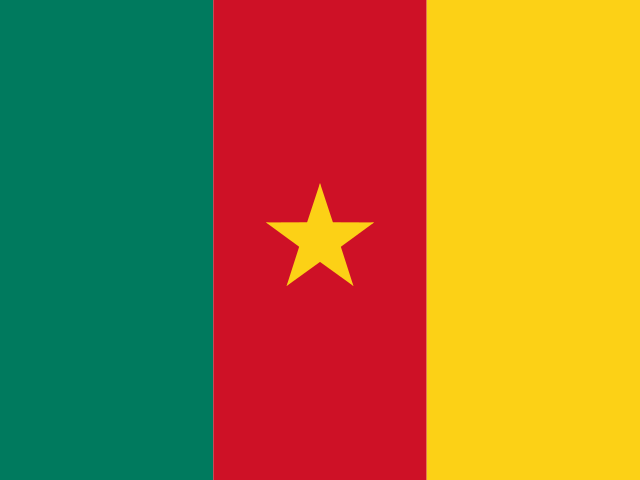
Africa in miniature — home of Makossa
Cameroon is a Central African nation often called “Africa in miniature” for its huge range of landscapes, peoples, and languages. It gave the world Makossa — the danceable guitar-and-horn groove that Manu Dibango carried across the globe — and remains one of Africa’s great musical crossroads.
Help represent Cameroon →Cameroon sits where West and Central Africa meet, on the Gulf of Guinea. Its nickname, “Africa in miniature,” comes from a landscape that runs from coastal rainforest to northern savanna and the volcanic peak of Mount Cameroon.
It became independent in 1960 and reunified French- and English-speaking regions in 1961. That mix of cultures and languages is exactly why its music is so rich — dozens of traditions feeding one national sound.
French Cameroon gains independence on January 1st.
British Southern Cameroons votes to reunify, forming the bilingual federation.
Manu Dibango's “Soul Makossa” becomes a global hit, putting Cameroonian music on the world map.
The Sawa people's water-spirit ceremonies on the Wouri River.
Centuries-old kingship traditions still honored in Foumban.
Neighbors sharing palm wine and stories in the evening.
Cameroon’s best-known export is Makossa — a bright, bass-driven dance groove. Manu Dibango’s 1972 “Soul Makossa” became a global hit and helped shape disco and pop far beyond Africa. Alongside it lives Bikutsi, a fast, percussive style from the Yaoundé region.
Cameroon’s signature dance groove — guitars, horns, and heavy bass.
Fast, percussive dance music from the Beti people around Yaoundé.
Guitar-led party music from the coastal south.
A rhythm from the Bamileke of the western highlands.
Fast hip movement matching the percussive Bikutsi beat.
Loose, grounded footwork built for the bass groove.
Quick, close steps from the coastal south.
Wooden xylophone with gourd resonators.
A harp-zither used by Beti storytellers.
Talking and dance drums of many sizes.
Thumb piano (mbira family).
Cameroon is officially bilingual in French and English, and is home to more than 250 local languages — one of the most linguistically diverse countries on Earth.
| Phrase | Meaning |
|---|---|
| Bonjour | Hello / good morning (French) |
| Comment ça va? | How are you? (French) |
| Merci | Thank you (French) |
| Hello / How now? | Common greeting in Cameroonian Pidgin English |
The national dish — bitterleaf stewed with peanuts and meat or fish.
“Director-General” chicken with plantains and vegetables.
Leafy stew from the southwest.
Grilled, spiced meat skewers.
Sweet fried dough.
Cameroon's national dish — bitterleaf stewed with peanuts, meat, and dried fish.
Ingredients
Steps
🍺 Drink traditions
Freshly tapped palm wine, passed around in a shared calabash, is the classic Cameroonian drink of celebration and conversation. In cities, locally brewed lagers fill the same social role — poured generously for guests as a sign of welcome.
Active volcano and West Africa’s highest peak.
Savanna wildlife in the far north.
Beaches where a waterfall meets the sea.
Royal palace and craft center of the Bamoun kingdom.
Black-sand beaches below Mount Cameroon.
Sawa water festival on the Wouri River in Douala.
Ancient Bamoun cultural festival in Foumban.
Highland festival in the Adamawa region.
The capital, set among seven hills.
The largest city and economic heart.
Hub of the English-speaking northwest.
Center of the Bamileke highlands.
Southern beach town by the Lobé Falls.
Home of the Bamoun royal palace.
No cultural hosts registered in Cameroon yet — be the first to add a restaurant, bar, hotel, or venue to the directory.
Register a business free →We don't have a song from Cameroon in the library yet — but you don't need one to introduce a friend there to Konpa. Send “Gita Blan” as a musical postcard and say why Cameroon made you think of them.
Choose a place, add a personal dedication, and send “Gita Blan” to one person who'd love it — free, always. It could be the start of a friendship.
✅ TimTim.Live has performed in Cameroon
Festivals, cultural celebrations, corporate events, and universities — request a Konpa show in Cameroon and the booking team will follow up with availability.
See the full press kit & tour info →Translation changes words. Localization makes people feel that the movement understands them.
Growing — help us find Cameroon's creators.
Growing — the mission is looking for Cameroon's scientists and explorers.
Growing — share a family story from Cameroon.
Cameroon ambassadors help share this music across Central Africa and welcome new friends into the family.
Become Cameroon's Founding Explorer →Growing — Cameroon's song is on its way.
Cameroon's own mission artwork is coming soon — every country gets one.
Be the first Founding Explorer from Cameroon.
Get new Cameroon songs, stories, and events first — straight to your inbox.
Cameroon ambassadors help share this music across Central Africa and welcome new friends into the family.
The Friend Loop
Choose a country · Hear a song · Learn one tradition · Say hello. Do it again tomorrow.
Hear a song
Smile
Learn about a country
Say hello
Make a friend
Share another song
Makossa — a bright, bass-driven dance groove made globally famous by Manu Dibango’s “Soul Makossa” — and Bikutsi, a fast percussive style from around Yaoundé.
French and English are official, and Cameroon has more than 250 local languages, making it one of the most linguistically diverse countries in the world.
Because its landscapes and cultures span so much of the continent — from coastal rainforest to savanna and mountains — all within one country.
Yaoundé is the capital; Douala is the largest city and economic center.
Notre objectif
Nous invitons chacun à contribuer à laisser un héritage pour l’humanité.
Rejoignez trois missions qui nous survivront toutes
Construire l'espoir
Aidez chaque famille à avoir un foyer — financé par OseloHelp.com, notre organisme à but non lucratif exonéré d'impôts.
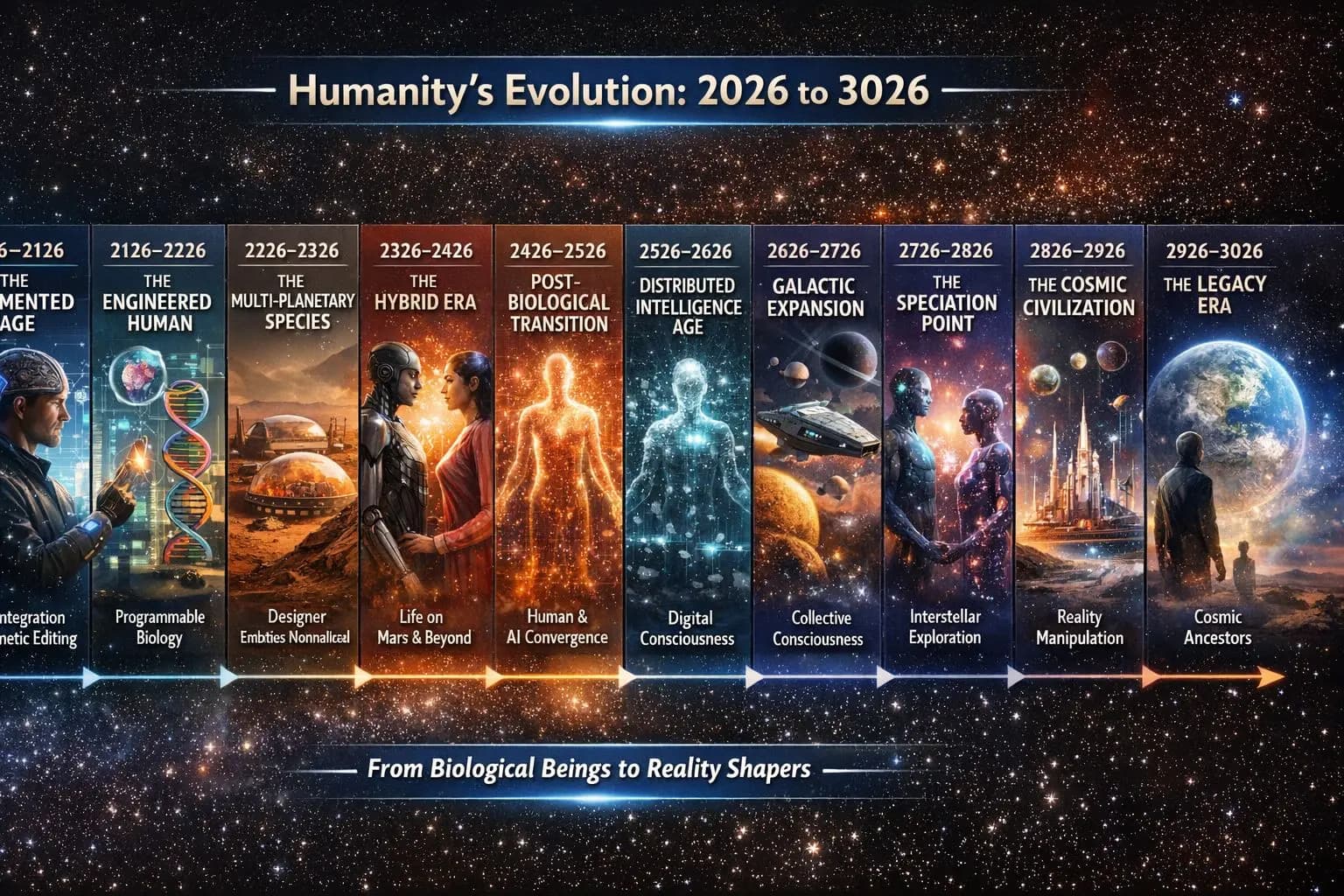
Préserver l'humanité grâce à la musique
Préserver la musique et les récits de l'humanité pour les 1 000 prochaines années et plus.
Une façon simple d'aider
Si cet annuaire vous a aidé, aidez à préserver ce patrimoine — partagez TimTim.Live. Une seule conversation peut maintenir vivante une mémoire millénaire.

Inspirez la prochaine génération d'explorateurs
Rendre la possibilité d'explorer l'espace accessible à tous.
Comment tout s'articule
Rien ici n'est une activité séparée — chaque étape renforce la suivante.
Un seul objectif. De nombreuses activités qui se renforcent mutuellement.
Que vous écoutiez une chanson, partagiez une histoire, portiez un article de la boutique, assistiez à un concert, traduisiez des paroles, recommandiez un pays ou simplement en parliez à un ami — vous faites partie de quelque chose conçu pour durer des générations.
Tout le monde peut participer. Aucune contribution n'est trop petite.
TimTim.Live — Explorez le monde par la musique.
Relie des personnes dans 195 pays — en route vers 245 langues locales et 4,6 millions de villes, bourgs et villages dans le monde entier.
Le monde y est déjà, jusqu'aux localités de 1 000 habitants — 233 857 lieux dans les 195 pays, à tous les niveaux : 257 États, 1 690 provinces, 4 822 comtés, 41 130 districts, 13 471 villes, 117 896 communes, 41 003 villages.
© 2026 TimTim.Live. Tous droits réservés.