Makossa
Cameroon's bass-driven dance groove
Makossa est ene briyeuse, basseye d 'dance di l' redjon douala di Cameroun, feye globål pa Manu Dibango a 1972 metou “Soul Makossa. ” C' est sovint menté a pårti di Bikutsi, on stîle roed et percussive a l' istwere di Yaoundé.
Origin & history
Makossa grew out of Cameroon's coastal Douala region as a guitar-and-horn dance groove built around a heavy bass line.
Manu Dibango's 1972 hit “Soul Makossa” carried the sound to the world, becoming a global hit and shaping music far beyond Cameroon. It's often mentioned alongside Bikutsi, a faster, percussive style historically tied to the Beti/Ewondo people around Yaoundé.
Årtisses notåves
Fé Makossa fiye globåle avou sons 1972, "Soul Makossa".
Wice k 'il viye
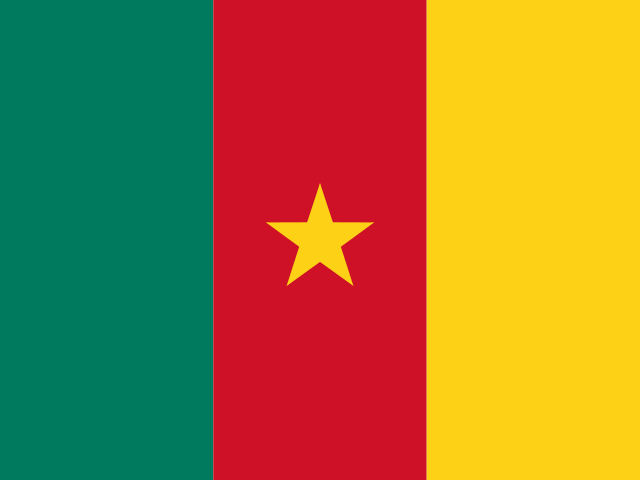
Ewou ces årtisses vint
12 Makossa les artistes sont sol TimTim.Live, eyet 12 c 'est d' ene cisse cisse ci. Çouci est diwou k 'ils provént.
Payis
Cô_per les plaeces
Sacwants des årtisses
Kesse & Responses
What is Makossa?+
Makossa is a bright, bass-driven dance groove from Cameroon's coastal Douala region.
Who made Makossa famous worldwide?+
Manu Dibango carried Makossa to global fame with his 1972 hit “Soul Makossa.”
What's the difference between Makossa and Bikutsi?+
Makossa comes from Cameroon's coastal Douala region, while Bikutsi is a faster, more percussive style historically from around Yaoundé, tied to the Beti/Ewondo people.
What country is Makossa from?+
Makossa comes from Cameroon — visit Cameroon's country hub to explore more of its music and culture.