Makossa
Cameroon's bass-driven dance groove
Macossa i ncino wo vangama, lowu endliweke hi ti-driven lowu humaka exifundzheni xa le ribuweni ra Cameroon, lowu endliweke wu duma emisaveni hinkwayo hi Manu Dibango' 1972 wu hlasele eOu Sol Makossa. Xitirhisiwa lexi hakanyingi xi boxiwa etlhelo ka Bikutisi, endlelo ra ku hatlisa, leri humaka eka Yaundé.
Origin & history
Makossa grew out of Cameroon's coastal Douala region as a guitar-and-horn dance groove built around a heavy bass line.
Manu Dibango's 1972 hit “Soul Makossa” carried the sound to the world, becoming a global hit and shaping music far beyond Cameroon. It's often mentioned alongside Bikutsi, a faster, percussive style historically tied to the Beti/Ewondo people around Yaoundé.
Vanhu lava nga ni vutshila
Massa la dumeke emisaveni hinkwayo hi 1972 u be kil Macossa.
Laha yi tshamaka kona
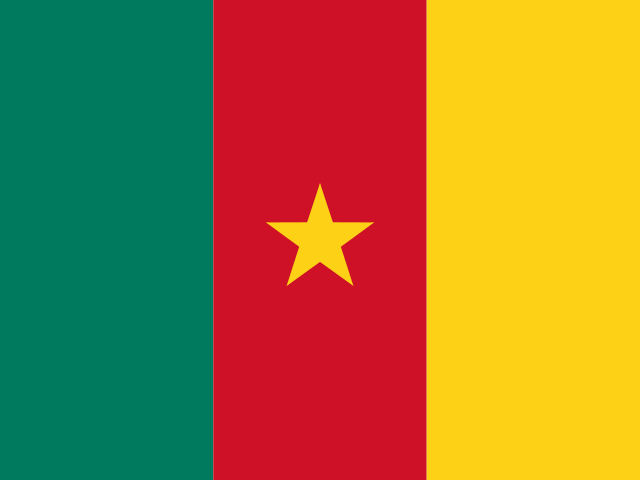
Laha vampfampfarhuti lava va humaka kona
12 Makossa Vatshila va le ka TimTim.Live, naswona 12 Ma ni doroba ra mani na mani. Laha hi laha va humaka kona.
Matiko
Madoroba ni tindhawu
- N'hweti na n'hweti, Cameroon7
- Littoral, Cameroon2
- Edéa, Cameroon1
- Nkongsamba, Cameroon1
- South, Cameroon1
Van'wana va vatshila
- Manu DibangoN'hweti na n'hweti
- Moni BiléN'hweti na n'hweti
- Nkodo SitonyN'hweti na n'hweti
- Prince EyangoNkongsamba
- Émile KangueLittoral
- Ebanda ManfredIndonesia
- Eboa LotinN'hweti na n'hweti
- Ekambi BrillantN'hweti na n'hweti
- Golden SoundsCameroon
- Joey EtondeyCameroon
- Koko AtebaSouth
- Ndom’a Deccah GraceN'hweti na n'hweti
Swivutiso & Tinhlamulo
What is Makossa?+
Makossa is a bright, bass-driven dance groove from Cameroon's coastal Douala region.
Who made Makossa famous worldwide?+
Manu Dibango carried Makossa to global fame with his 1972 hit “Soul Makossa.”
What's the difference between Makossa and Bikutsi?+
Makossa comes from Cameroon's coastal Douala region, while Bikutsi is a faster, more percussive style historically from around Yaoundé, tied to the Beti/Ewondo people.
What country is Makossa from?+
Makossa comes from Cameroon — visit Cameroon's country hub to explore more of its music and culture.