Makossa
Cameroon's bass-driven dance groove
Ny Makossa dia dihy mahafinaritra, tarihina avy any amin'ny faritra amorontsiraka ao Kamerona, nataon'i Manu Dibango nalaza manerantany tamin'ny taona 1972 tao amin'ny TehreekSoul Makassa.
Origin & history
Makossa grew out of Cameroon's coastal Douala region as a guitar-and-horn dance groove built around a heavy bass line.
Manu Dibango's 1972 hit “Soul Makossa” carried the sound to the world, becoming a global hit and shaping music far beyond Cameroon. It's often mentioned alongside Bikutsi, a faster, percussive style historically tied to the Beti/Ewondo people around Yaoundé.
Mpanakanto tsy mety resy
Matsu Makassa, malaza manerantany tamin'ny fanafihana nataony tamin'ny 1972 tao Soul Makassa.
Ny toerana onenany
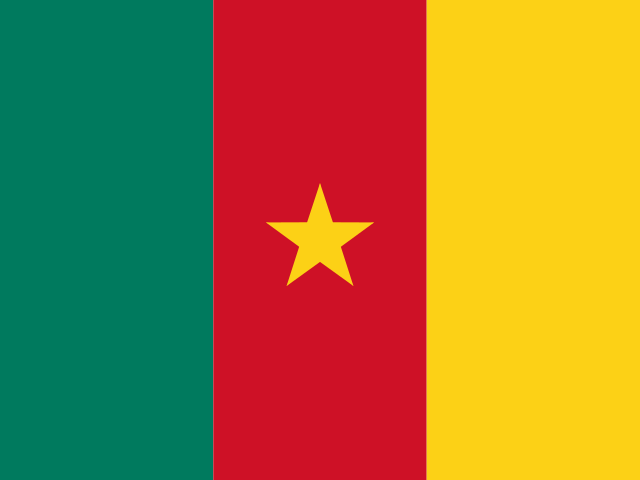
Avy aiza ireo mpanakanto ireo?
12 Makossa Eo amin'ny TimTim.Live ireo mpanakanto, ary 12 Manana tanàna ho an'ny daholobe ny sasany amin'izy ireo. Avy aiza izy ireo?
Firenena
Tanàna sy toerana
Sasany amin'ireo mpanakanto
Fanontaniana & Valiny
What is Makossa?+
Makossa is a bright, bass-driven dance groove from Cameroon's coastal Douala region.
Who made Makossa famous worldwide?+
Manu Dibango carried Makossa to global fame with his 1972 hit “Soul Makossa.”
What's the difference between Makossa and Bikutsi?+
Makossa comes from Cameroon's coastal Douala region, while Bikutsi is a faster, more percussive style historically from around Yaoundé, tied to the Beti/Ewondo people.
What country is Makossa from?+
Makossa comes from Cameroon — visit Cameroon's country hub to explore more of its music and culture.