Accordion
Free-reed aerophone — bellows-driven
អាកូដេអុង គឺជាឧបករណ៍ភ្លេងដែលប្រើខ្យល់ពីថង់សូត និងអណ្តាតសេរី ដែលដើរតួនាទីខុសៗគ្នា ប៉ុន្តែសំខាន់ដូចគ្នា នៅក្នុងផ្ទះទាំងបីរបស់ TimTim.Live៖ ជាបេះដូងនៃ twoubadou ហៃទី និង Konpa ដំបូង ជាសំឡេងនៃហាងកាហ្វេតាមផ្លូវនៅបារាំង និងជាចំណែកសំខាន់នៃការជួបជុំប្រពៃណីស៊ុយអែត។
អំពី Accordion
អាកូឌីយ៉ុងបង្កើតសំឡេងដោយការរុញ និងទាញថង់ខ្យល់ កាត់តាមបន្ទះដែកជាច្រើន ដែលនីមួយៗលៃជាសូរខុសៗគ្នា ហើយចុចដោយប៊ូតុង ឬគ្រាប់ចុចដូចព្យ៉ាណូ។ ការរចនាថង់ខ្យល់ និងបន្ទះដែកនេះសាកសមនឹងប្រពៃណីតន្ត្រីជាច្រើន ដូច្នេះហើយឧបករណ៍តែមួយនេះ ជាគ្រឹះនៃសំឡេងខុសៗគ្នាជុំវិញពិភពលោក។
នៅប្រទេសហៃទី អាកូឌីយ៉ុងជាសំឡេងនាំមុខនៃ twoubadou — បទចម្រៀងអាកូស្ទិកដែលនិទានរឿង ដែលមានមុន Konpa — ហើយវាបានបន្តចូលទៅក្នុង Konpa ដំបូងៗ រួមជាមួយសាក់សូហ្វូន មុនពេលសំឡេងនៃប្រភេទតន្ត្រីនេះវិវត្តបន្តទៀត។
នៅប្រទេសបារាំង អាកូឌីយ៉ុងមិនអាចបំបែកចេញពីហាងកាហ្វេតាមផ្លូវនៅប៉ារីស និងប្រពៃណីសាលរាំ bal-musette បានទេ ភ្លេងរលកៗរបស់វាជាសញ្ញាសម្គាល់នៃ chanson បារាំង និង gypsy jazz។
នៅប្រទេសស៊ុយអែត អាកូឌីយ៉ុងជាឧបករណ៍សំខាន់នៃការជួបជុំតាមប្រពៃណី ដោយលេងជាមួយឧបករណ៍ដូចជា nyckelharpa និងវីយូឡុង នៅក្នុងរបាំប្រជាប្រិយ និងពិធីបុណ្យ។
Where it’s played
គ្រប់ប្រទេស →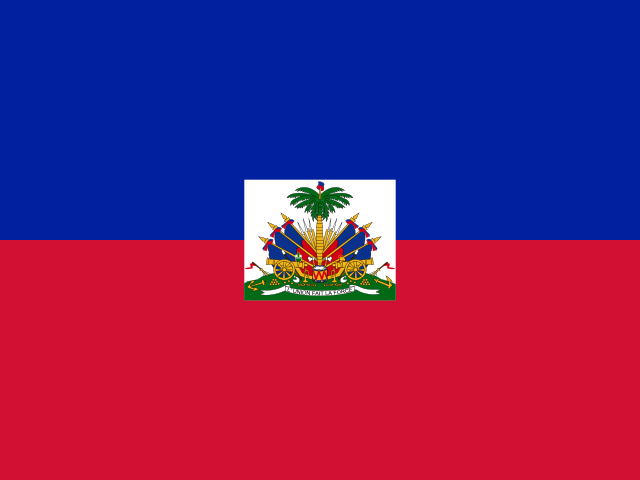


សំណួរ និងចម្លើយ
What is an accordion?+
An accordion is a bellows-driven, free-reed instrument — squeezing and pulling the bellows pushes air across tuned metal reeds to make sound.
Where is the accordion played?+
The accordion appears across TimTim.Live's music — it's central to Haitian twoubadou and early Konpa, French café and bal-musette music, and Swedish traditional gatherings.
Is the accordion the same instrument in Haiti, France, and Sweden?+
Yes, it's the same instrument family — a bellows and free reeds — but each country plays it in its own musical style, from Haitian twoubadou to French bal-musette to Swedish folk dance.
What instruments pair with the accordion?+
In Haiti it's often paired with saxophone; in Sweden it sits alongside the nyckelharpa and fiddle; in France it's a fixture of chanson and gypsy jazz alongside guitar.