Makossa
Cameroon's bass-driven dance groove
Tha Makossa 'na ghrùainn dantais geal-deiridh a tha air an bass a bheir ann as sgìre cois an Camarún Douala, a tha ann an còmhnaidh ann an Manu Dibango ann an 1972, air a bhuaidh “Soul Makossa”. Tha e a' toirt iomradh gu tric cothrom Bikutsi, stoidhle nas luaithe agus sgeulanach eachdraidh bho Yaoundé.
Origin & history
Makossa grew out of Cameroon's coastal Douala region as a guitar-and-horn dance groove built around a heavy bass line.
Manu Dibango's 1972 hit “Soul Makossa” carried the sound to the world, becoming a global hit and shaping music far beyond Cameroon. It's often mentioned alongside Bikutsi, a faster, percussive style historically tied to the Beti/Ewondo people around Yaoundé.
Neach-ciùil ri chèile
Fuir Macossa am meallach gu h-ionadail leis a 1972 air “Soul Makossa”.
Càit a bheireas e
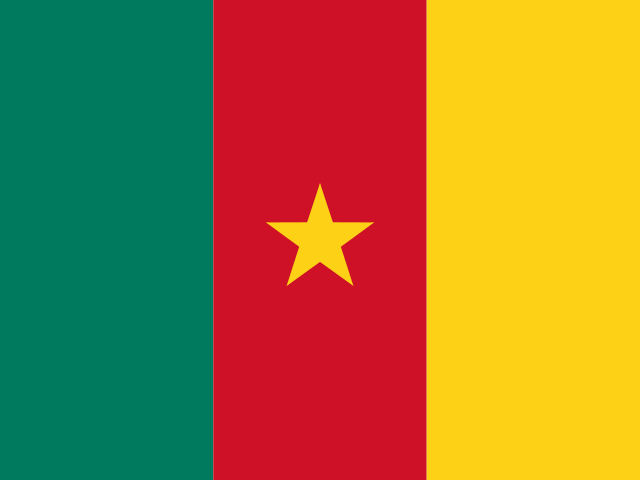
Far an dèid na neach-ciùil seo a thig
12 Makossa Tha luchd-ciùil air TimTim.Live, agus 12 Tha baile-valle puibliche acu Seo far a thig iad uaithe.
Sgìrean
Cathrachdan is ionadan
cuid de na h-ealain
Ceistean & freagair
What is Makossa?+
Makossa is a bright, bass-driven dance groove from Cameroon's coastal Douala region.
Who made Makossa famous worldwide?+
Manu Dibango carried Makossa to global fame with his 1972 hit “Soul Makossa.”
What's the difference between Makossa and Bikutsi?+
Makossa comes from Cameroon's coastal Douala region, while Bikutsi is a faster, more percussive style historically from around Yaoundé, tied to the Beti/Ewondo people.
What country is Makossa from?+
Makossa comes from Cameroon — visit Cameroon's country hub to explore more of its music and culture.